All You Required to Know About Fenbendazole and Its Uses in Family Pet Care Solutions
Fenbendazole is a widely identified anthelmintic drug in vet treatment. It successfully targets numerous gastrointestinal parasites in animals. Recognizing its mechanism and suitable applications is crucial for family pet owners. This drug provides notable advantages but additionally calls for cautious dose and surveillance. As family pet care evolves, exploring fenbendazole's duty can supply insights right into keeping optimal wellness for precious animals. What should pet proprietors understand about its administration and safety?
What Is Fenbendazole?
Fenbendazole is an anthelmintic medicine mainly utilized to deal with parasitic infections in animals. This broad-spectrum dewormer works against a variety of gastrointestinal parasites, consisting of roundworms, hookworms, whipworms, and particular kinds of tapeworms. It is generally utilized in dogs, pet cats, steeds, and livestock, making it a flexible alternative for pet dog owners and vets alike. Fenbendazole is generally administered orally, offered in different solutions such as granules, tablet computers, or suspensions. The medicine is normally thought about secure, with a reduced occurrence of adverse effects, although it is crucial for pet dog owners to comply with dose guidelines carefully. By removing parasitical infections, fenbendazole assists maintain general health and health in pets, ensuring they stay active and vibrant. Its efficacy and safety and security profile have actually contributed to its prevalent usage in vet method, establishing fenbendazole as a foundation in pet treatment services.

How Does Fenbendazole Job?
Targeting bloodsuckers at a cellular level, fenbendazole interrupts their metabolic processes. This anthelmintic medicine mainly prevents the function of microtubules, important elements of the bloodsucker's mobile framework. By binding to tubulin, a protein that develops microtubules, fenbendazole protects against the assembly of these frameworks, which are necessary for different cellular features, including transport and division. Consequently, the influenced bloodsuckers are not able to maintain their life procedures, bring about their ultimate fatality.
Fenbendazole likewise disrupts power manufacturing in bloodsuckers by hindering the enzyme fumarate reductase, important for their metabolism. This dual action not just hinders their capability to duplicate however likewise endangers their energy supply, additional improving its effectiveness. In general, fenbendazole's targeted mechanism permits efficient control of a broad spectrum of parasitic infections, making it an important tool in veterinary medication for the therapy of ravaged pets.
Usual Uses of Fenbendazole in Animal Care
In the domain name of veterinary medicine, fenbendazole is generally made use of for its performance against a range of parasitic infections in pets. This broad-spectrum anthelmintic is primarily made use of to deal with intestinal parasites such as roundworms, hookworms, whipworms, and tapeworms. Fenbendazole is also effective versus specific protozoan infections, consisting of giardiasis.
Veterinarians usually suggest fenbendazole for regular deworming in puppies and kittycats, provided their sensitivity to these parasites. Furthermore, it is used in grown-up dogs and pet cats as part of a detailed bloodsucker control program.
Fenbendazole is favored for its safety account, making it appropriate for use in various types and ages of pets. It is typically carried out in dental type, through granules or tablets, enabling simple incorporation right into a pet dog's diet plan. Routine use fenbendazole adds to maintaining overall wellness and health in pets by stopping and handling parasitic infections successfully.
Benefits of Fenbendazole for Pet dogs
Fenbendazole uses significant benefits for pets, especially as an effective treatment for various parasitical infections. Its security account makes it appropriate for a series of animals, making certain that both dogs and cats can take advantage of its use without significant threat. This combination of efficacy and security settings fenbendazole as a valuable choice in pet dog treatment.
Effective Parasite Treatment
Various pet proprietors seek efficient remedies for parasite infestations, and fenbendazole has become a reputable option. This broad-spectrum anthelmintic medication targets numerous interior bloodsuckers, including roundworms, hookworms, and whipworms. Fenbendazole interferes with the basal metabolism of these parasites, causing their removal from the animal's system. Its efficiency is remarkable across different species, making it a functional selection for several pet owners - fenbendazole capsules. Additionally, fenbendazole is typically well-tolerated, with very little side results reported, which boosts its allure as a therapy alternative. Routine usage of fenbendazole can assist keep a family pet's health and wellness and comfort by stopping the problems associated with parasitical infections. Generally, fenbendazole sticks out as a valuable tool in the battle versus try these out common parasites in family pets
Safe for Various Animals

Dosage and Management Standards
When considering fenbendazole for family pets, recognizing the correct dose is necessary for efficiency and safety and security. Recommended dosage guidelines differ based upon the kind of animal and the certain problem being treated. Additionally, different management approaches can influence the overall success of the treatment.
Suggested Dosage Standards
Fenbendazole is a widely utilized anthelmintic in veterinary medicine, establishing the correct dosage for family pets is vital image source to assure both efficacy and safety. The suggested dose commonly differs based on the sort of parasite being treated and the family pet's weight. For pets and cats, an usual guideline suggests providing 50 mg per kilo of body weight daily for three successive days. In some cases, a vet may suggest a longer treatment duration or readjust the dose based on specific health and wellness conditions. It is essential for pet owners to seek advice from a vet before administering fenbendazole, as unsuitable does may lead to inadequate treatment or potential negative effects, emphasizing the significance of professional support in animal treatment

Administration Techniques Clarified
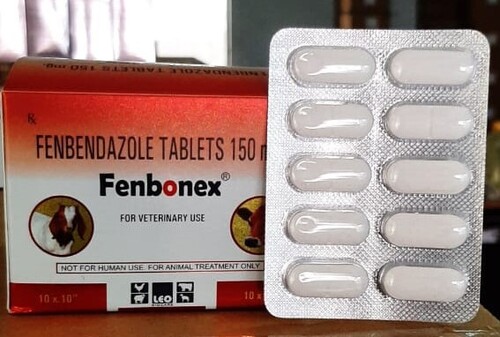
Providing fenbendazole to family pets needs mindful consideration of the technique to guarantee optimal absorption and performance. The most typical management methods include dental solutions, such as tablets or suspensions. Tablet computers should be provided whole, while suspensions need to be shaken well before usage. For family pets that are hard to medicate, blending fenbendazole with a tiny quantity of food can enhance approval. Application commonly relies on the pet's weight and the specific condition being treated. It is crucial to comply with veterinarian referrals closely and complete the full program of therapy, also if symptoms improve. Monitoring for negative effects is additionally crucial, as damaging responses can take place, albeit occasionally. Correct management assures the medicine's efficacy and the family pet's health.
Safety Factors To Consider and Prospective Negative Effects
While fenbendazole is extensively recognized for its effectiveness in treating different pop over to this site parasitical infections in family pets, it is necessary to evaluate the safety and security account and prospective adverse effects related to its use. Typically, fenbendazole is thought about risk-free when provided at advised dosages, but some pets may experience damaging responses. Usual side results include gastrointestinal disruptions such as throwing up and diarrhea, as well as sleepiness or loss of appetite.
In uncommon situations, allergic responses may take place, causing signs like swelling or difficulty breathing (fenbendazole capsules). It is important for family pet owners to monitor their pets carefully during treatment and report any kind of unusual habits to a vet. Furthermore, fenbendazole should not be made use of in animals with well-known hypersensitivity to the drug or in expectant pets unless especially suggested by a vet. Generally, educated usage and vet support can aid mitigate dangers related to fenbendazole treatment in animals
Regularly Asked Concerns
Is Fenbendazole Safe for Pregnant Family Pets?
The security of fenbendazole for pregnant animals continues to be unclear. Some research studies recommend potential dangers, while others show it could be secure. Appointment with a vet is important to guarantee the health of both the mom and her spawn.
Can Fenbendazole Be Made Use Of for Cats?
Fenbendazole can be utilized for felines, mostly to treat specific kinds of parasitical infections. It is crucial for animal owners to speak with a veterinarian for proper dosage and safety and security standards details to their pet cat's health and wellness.
For How Long Does Fenbendazole Require To Function?
The time it takes for fenbendazole to work commonly varies from a few days to a week, depending on the certain problem being dealt with and the specific pet's action to the medicine. Constant dosing is crucial.
Exist Any kind of Interactions With Other Medications?
Possible interactions with other drugs need to be meticulously thought about when carrying out fenbendazole. Consulting a veterinarian is essential to assure risk-free combinations, as particular medications may modify its effectiveness or enhance the threat of side impacts in pets.
Where Can I Purchase Fenbendazole for Family Pets?
Fenbendazole for family pets can be purchased at veterinary facilities, pet supply stores, and online stores. It is important to ensure the item is specifically developed for pets to confirm safety and performance in treatment.